

Practice Areas
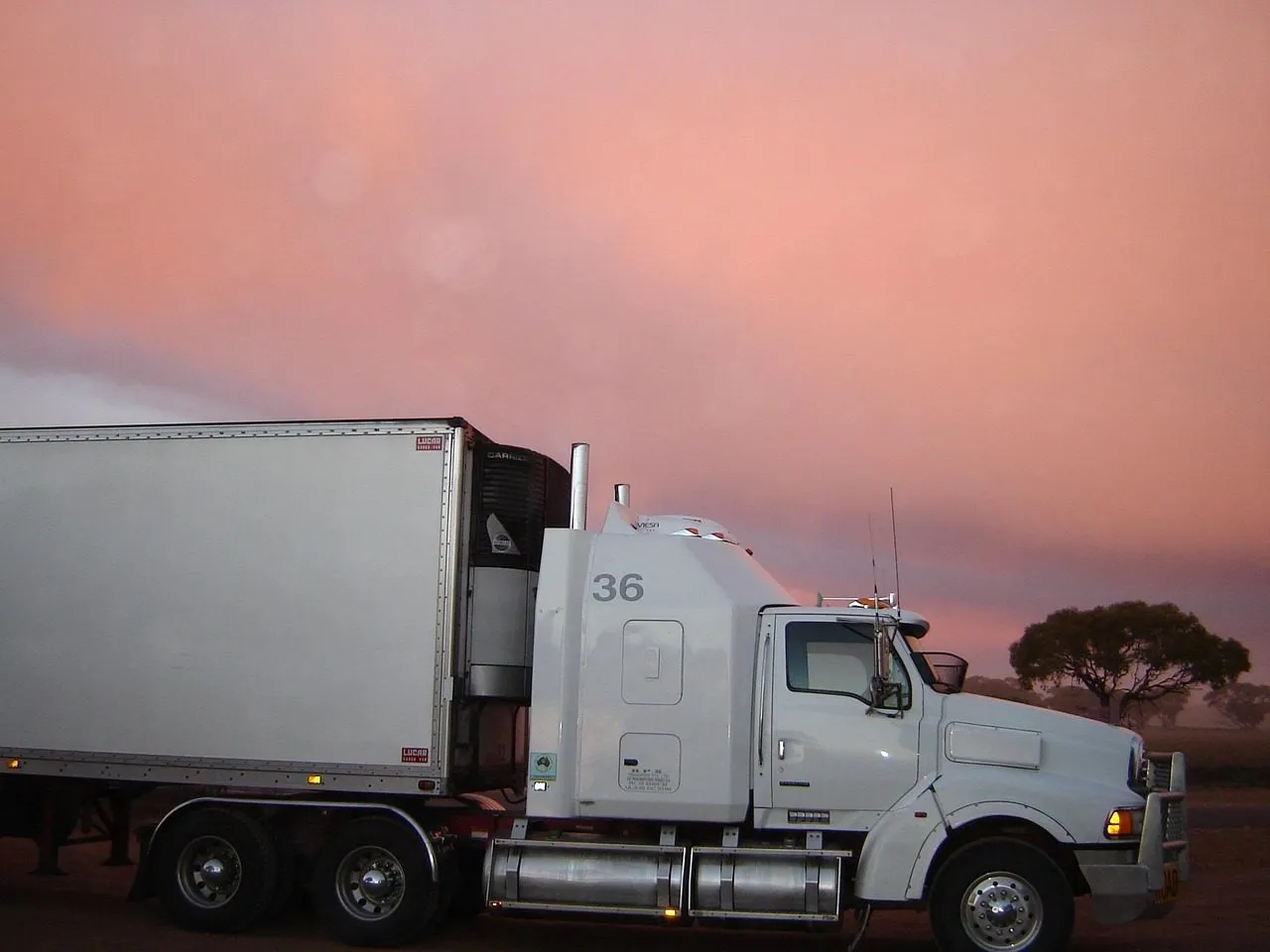
Truck and 18-Wheeler Wrecks in Austin, TX
A commercial wreck is a different case from a car wreck: more evidence, more insurance, and a defense team that arrives the same day.
Free Case ReviewTruck Wrecks
What actually decides this kind of claim.
A collision with an 18-wheeler is not a car wreck with a larger vehicle. It is a different case, governed by a different body of law, against an opponent who is already working before the road reopens.
The first difference is who responds. Trucking companies and their insurers run rapid-response programs. Investigators, and often defense counsel, reach the scene within hours, while the injured person is still in an emergency room. They photograph the scene, interview the driver, and secure the vehicle. By the time a family thinks about a lawyer, one side has a complete record of the crash and the other has a police report.

How It Works
Tell us what happened
A conversation, not an intake form. What happened, what hurts, and what the insurer has already said to you.
Evidence gets locked down
Preservation demands go out for video, truck data, and records while they still exist. This is the step that cannot wait.
Treatment and documentation
You get care. The claim gets built around the medical record, because that record is what the injury is worth on paper.
Demand, negotiation, or suit
A documented demand goes to the carrier. If the number is not serious, the case gets filed before the deadline, not after.
The Part That Decides It
Where these claims are won and lost.
The second difference is the evidence, because it is electronic and it expires. Interstate carriers are federally regulated, and the material that decides these cases lives in systems that overwrite themselves: electronic logging device records of hours behind the wheel, engine control module data showing speed and braking in the seconds before impact, dispatch messages, driver qualification files, and maintenance records. Federal retention periods for some of it are measured in months. A spoliation letter demanding preservation is the single most time-sensitive step in a truck case, and it has to go out before anyone knows what the file contains.
The third difference is the money, and it cuts in the claimant's favor. A for-hire interstate carrier hauling ordinary freight must carry at least $750,000 in liability coverage under 49 C.F.R. § 387.9, evidenced by an MCS-90 endorsement. Hazardous cargo runs to $5 million. Against a Texas minimum policy of $30,000, that is a different universe, and it is why these cases are defended so hard.
The fourth difference is who can be held responsible. The driver is rarely the only defendant. The motor carrier can be liable for its own negligence in hiring, training, supervising, and dispatching. A broker or shipper can be in the chain. A maintenance contractor can be. Each has separate coverage, and identifying them is the work that decides whether a catastrophic-injury case is fully compensated or capped by one policy.
The deadline is the same two years as any other injury claim under § 16.003(a), but the practical deadline is much earlier, because the evidence that proves the case does not survive two years.
Free Case Review
What You Are Up Against
The trucking company had investigators on scene before you left the hospital.
Rapid-response teams reach a wreck within hours. The data that would prove your case cycles out of the carrier's systems in months.
Free Case ReviewBefore You Call
Truck Wrecks, answered.
Why does everyone say to move fast on a truck case?
Because the evidence is electronic and it cycles. Hours-of-service logs, engine control module data, and dispatch communications are governed by federal retention periods, some only a few months long, and a repaired or resold tractor takes its data with it. A preservation demand sent early is what keeps that material available.
The trucking company already offered to cover my medical bills. Is that good?
An early offer usually arrives before anyone knows the full extent of the injury, and accepting it typically closes the claim permanently. It is the cheapest moment in the case for the carrier, which is exactly why the offer comes then.
Is the trucking company responsible, or only the driver?
Often both, on separate theories. Beyond being responsible for its driver, a motor carrier can be directly liable for negligent hiring, training, supervision, maintenance, or for a dispatch schedule that could not be run legally. Brokers, shippers, and maintenance contractors can also be in the chain, each with their own coverage.
How much insurance is usually available?
For a for-hire interstate carrier hauling general freight, the federal floor is $750,000 under 49 C.F.R. § 387.9, and hazardous cargo requires up to $5 million. Many carriers hold more through excess layers. The federal minimum is a floor, not a cap, and finding the layers above it is part of the work.
More from Waterloo Injury Law

Truck Wrecks
Two years to file. Far less than that to save the evidence.
Let's Work Together
Talk to someone before you sign anything.
Tell us what you need. We come out, look at it in person, and give you a straight answer at no cost.
Waterloo Injury Law PLLC (512) 555-0142 · intake@