


Practice Areas
Premises Liability in Austin, TX
Whether a property owner owed you anything depends on why you were there, and that classification decides the case.
Free Case ReviewPremises Liability
What actually decides this kind of claim.
Premises cases are the ones people most often assume they will win and most often lose. The reason is that being hurt on someone's property does not, by itself, make that property owner liable in Texas. Two separate questions have to be answered first.
The first is why you were there. Texas sorts visitors into categories, and the duty owed to you changes with the category. An invitee, someone on the property for the owner's benefit, a customer in a store being the clearest example, is owed the most: a duty to make the property reasonably safe or to warn about hazards the owner knew of or should have found through reasonable inspection. A licensee, typically a social guest, is owed less, essentially a warning about known dangers. A trespasser is owed very little. Whether you were shopping, visiting, delivering, or working can move a case between categories, and the defense will argue for the category that helps it.
How It Works
Tell us what happened
A conversation, not an intake form. What happened, what hurts, and what the insurer has already said to you.
Evidence gets locked down
Preservation demands go out for video, truck data, and records while they still exist. This is the step that cannot wait.
Treatment and documentation
You get care. The claim gets built around the medical record, because that record is what the injury is worth on paper.
Demand, negotiation, or suit
A documented demand goes to the carrier. If the number is not serious, the case gets filed before the deadline, not after.
The Part That Decides It
Where these claims are won and lost.
The second question is knowledge, and it is where most claims fail. It is not enough that a hazard existed. The claim generally requires showing the owner knew about it, or that it had been there long enough that reasonable inspection should have found it. A spill that has been on the floor for forty seconds and a spill that has been there for two hours are the same puddle and completely different cases. Proving which one you slipped on is why incident reports, inspection logs, staffing records, and above all surveillance video decide these claims.
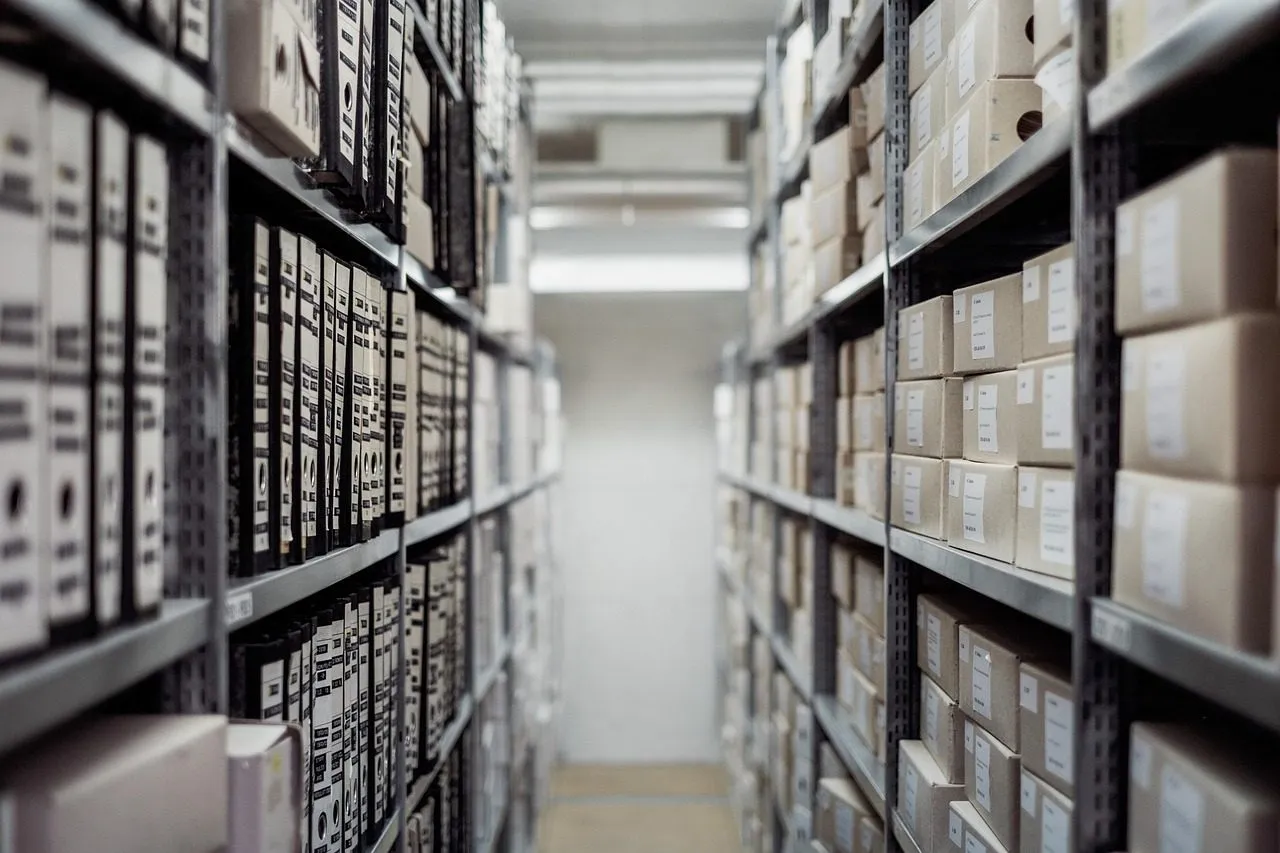
That video is the most perishable evidence in this area of law. Retention on a typical commercial system is measured in days or weeks, and it records over itself on a loop. Once it is gone, the timeline argument that would have proven notice is gone with it, and the case turns into your word against a defense expert. A preservation demand sent in the first days is often worth more than everything that happens in the following year.
Comparative fault is heavier here than anywhere else in injury law. The standard defense in a premises case is that the hazard was open and obvious and you should have seen it, which is an argument aimed squarely at the § 33.001 fault percentages and at the 51% bar. Lighting, signage, floor surface, what you were carrying, and where a reasonable person would have been looking all become contested facts.
The filing deadline is the usual two years under § 16.003(a). The evidentiary deadline is far shorter, and it is set by whoever operates the cameras.
Free Case Review
What You Are Up Against
The video that proves your case is being recorded over right now.
Commercial surveillance retention is measured in days. Once the loop closes, proving how long the hazard sat there becomes close to impossible.
Free Case ReviewBefore You Call
Premises Liability, answered.
I fell in a store and they filled out an incident report. Is that enough?
It helps, because it fixes the date and the location and confirms the store knew you fell. It usually does not establish how long the hazard was there, which is the element that decides notice. The inspection logs, staffing records, and video are what answer that, and they have to be requested before they cycle.
The store says the spill was obvious and I should have seen it. Does that end my claim?
No, though it is the defense you should expect. It is an argument about fault percentages under § 33.001 rather than an automatic bar, and it is contested with facts: lighting, floor surface, signage, sightlines, and what you were reasonably paying attention to. It only ends the claim if it pushes your share past 51%.
How quickly does surveillance video disappear?
Commonly within days to a few weeks, depending on the system, and it overwrites automatically without anyone deciding to delete it. A written preservation demand sent early is the only reliable way to keep it, and it is the most time-sensitive step in a premises case.
Does it matter that I was working when I was hurt on someone else's property?
It can change the structure of the claim significantly. Depending on your employer's workers' compensation status and on who controlled the property, there may be both a workers' compensation claim and a separate third-party claim against the property owner. Those are different claims with different rules, and which ones apply is worth sorting out early.
More from Waterloo Injury Law

Premises Liability
Two years to file. Far less than that to save the evidence.
Let's Work Together
Talk to someone before you sign anything.
Tell us what you need. We come out, look at it in person, and give you a straight answer at no cost.
Waterloo Injury Law PLLC (512) 555-0142 · intake@